
Pensions & retirement
Can I buy a retirement property to rent out?
5 mins read
by
Ann Causer
Last updated 5 October, 2026
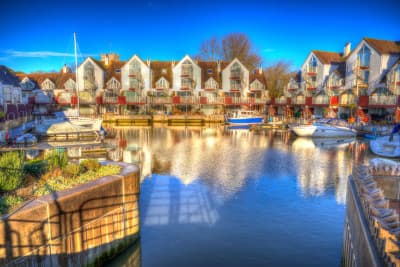
Yes, you can buy a retirement property to rent out in the UK and use it as an income source. However, there are many rules and restrictions specific to a retirement property you should evaluate before making a decision.As a result, rules and restrictions could make the option less attractive, even unsuitable.
Retirement properties can be purpose-built flats, retirement parks or bungalows. Because, they are for older people who want independent living. In many cases, properties come with an in-house manager which are warden-assisted. This can prove to be very reassuring in case of emergencies. It is important to note that some developments do not allow renting out. Others may require that the management vets the tenants in advance.
When you have a retirement property to rent out, there are several important factors to consider.Firstly, you must be ready to deal with day-to-day tenant queries. Secondly, you will be the one that is responsible for general maintenance. Additionally, the property will need maintaining as set out in the tenancy agreement. It is essential that you fully understand all of your legal obligations. Here, we'll help you decide if it is a suitable investment for your circumstances.
Table of contents
Summary
- You can buy a retirement property to rent out in the UK, but age limits, lease terms, and development rules may restrict your ability to let it.
- Ongoing costs like service charges, plus the responsibility of tenant management and maintenance, can impact rental profits.
- These properties may be harder to resell and appreciate less than standard homes, so expert advice is key before investing.
Buying restrictions for buying a retirement property
Age
There are age restrictions that apply when purchasing retirement properties. Typically, the usual age is 60. But, it could be 50 or 55 for some properties, when buying as a couple.
However, only one person needs to fit the qualifying age.
Retirement properties are for older age groups many of which are retirees. You do not always have to be within that age group to be able to buy one.
Family members may wish to buy a property for their parents to live in. The age restrictions apply to the residents of the property.
The process of getting a mortgage for a retirement property can prove to be difficult.
For this reason, many mortgage lenders may have stricter rules in place for this type of property.
The buyer's age and available repayment period are key factors they will look at.
Mortgages
With buy-to-let mortgages, some lenders consider retirement properties to be high-risk. When it comes to sell the property, resale restrictions are the main reason for this.
If your retirement property is already mortgaged, and you want to rent it out. Therefore, you must adhere to the rules of the existing mortgage.
Furthermore, it is essential for you to check out the terms of the mortgage carefully. You could be liable for penalties if you breach the mortgage terms.
If you were to receive a retirement property from an inheritance. You could keep the inherited home as a retirement property to rent out, but ensure you meet all age and lease conditions..
You would not be able to live there if you do not meet the age restrictions. Or, you could decide that selling the property is a better option.
Many may not want the burdens of managing a rental property.
Related article
Learn more: 7 Reasons you should rent a property in retirement
Leasehold retirement properties
Before letting a retirement property to rent out, always review the lease terms and check with the freeholder for permissions.
Remember, it is always advisable to get sound legal advice.
Furthermore, leaseholders must pay ground rent, service charges together with maintenance fees. They must pay towards maintaining the communal areas of the property.
As these charges can often be high, thus reducing your overall rental yields. Higher charges also have a negative effect on your overall profits.
If you do decide to go ahead and rent out. You will need to get a tenancy agreement in place.
To ensure clarity, agreements should clearly state the obligations of all parties. Any deposits will need protecting within a government-approved scheme.
Here again, the need to get good professional legal advice is important.
Retirement properties aim at a niche market
Consequently, age restrictions can limit your tenant pool when you own a retirement property to rent out, affecting occupancy and yields. This could mean long void periods whilst waiting for suitable tenants.
Location, amenities, transport, leisure facilities, healthcare access. These are all key factors that attract retirees looking to rent out a property.
The numbers of retirees preferring to rent instead of buy is expanding. Various reasons can influence demand for retirement homes.
Renting in retirement offers more freedom should you want to move. If you do decide to move, it’s quicker and much easier than when you are buying.
There is no financial commitment such as mortgage fees and legal costs. The monthly rent covers all things, such as service charges, maintenance, ground rent and management fees.
Is a retirement property to rent out a good investment?
Renting retirement properties may not be the ideal choice for everyone. Alternatively, maybe you are looking for a property that appreciates in value.
Perhaps your main aim is to generate large profits. Retirement properties are not like the rest of the UK property market.
With these particular properties, the values may not always increase.
Speak to a financial advisor
We'll match you with a qualified advisor who understands what happens to your pensions when you divorce. You can be up and running in minutes.
Find a financial advisorSelling a retirement property
In the UK most properties do tend to increase in value over the long term. However, when it comes to retirement homes, there could be a risk that you could lose money when selling. Generally, these properties do tend to maintain their original value.
Many retirement properties sell at similar prices to the purchase price.
The age restrictions that apply, could mean that selling your retirement property could take longer.
Because, the limited market demand could make the property harder to sell. The chance that the property value will depreciate could be a key factor that deters some buyers.
There is always a chance that your property may end up selling for less than the original purchase price.
Get expert advice
In summary, while buying retirement property to rent out can generate income, it comes with unique challenges. Things such as age restrictions and leasehold rules can affect profitability and flexibility.
If you’re considering a retirement property to rent out, ensure careful planning, and a clear understanding of the risks are understood before commiting to this type of investment.
Let Regulated Advice match you with a financial advisor for expert advice.
Join our newsletter
By signing up, you consent to receive our emails, news, and blogs. Your data will be stored securely with our Privacy policy and Terms & conditions.
Related articles
What people regret the most when they retire?
Retiring abroad: USA
Retiring abroad: France
Explore the topic
Pensions & retirement
Need a pension advisor?
Ann Causer
Content Writer
Ann worked at RMT Group for over 10 years between 2013 and 2024, working in administration, sales, customer services and content writing for Regulated Advice. Ann is highly experienced in working with both financial advisors and clients alike. Ann played a major role in the development of RMT over the years.
Read next

Pensions & retirement
What people regret the most when they retire?

Pensions & retirement
Retiring abroad: USA

Pensions & retirement
Retiring abroad: France

Pensions & retirement
Retiring abroad: New Zealand

Get professional advice