
Pensions & retirement
Does everyone get a state pension? You could be missing out
7 mins read
by
Stuart Shutes
Last updated 1 September, 2026
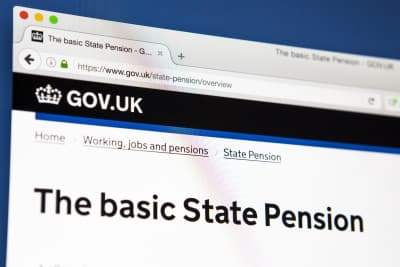
Many people assume they’ll automatically receive a state pension, but does everyone get a state pension? Not necessarily. From gaps in National Insurance to eligibility rules, you could be missing out without even knowing it.
Here’s what you need to check before it’s too late.
What is the eligibility?
If you’re wondering, does everyone get a state pension automatically? The answer is no, not everyone qualifies, and eligibility depends on your age and National Insurance history.
You receive the new state pension when you reach state pension age if you are:
- A man born on or after 6 April 1951
- A woman born on or after 6 April 1953
If born before these dates, you will receive the basic state pension. You may also receive an additional state pension.
How many years national insurance do you need?
Your pension depends on the number of years you made national insurance contributions. You will need a minimum of 35 qualifying years to receive a full state pension.
A qualifying year is:
- You were working and paying national insurance contributions
- You were receiving national insurance credits. For example, if you were unemployed, a carer, or parent
- You were paying voluntary national insurance contributions
If you lived or worked abroad, you may still qualify. Also, if you paid reduced rates. However, just because you've worked doesn't mean you'll automatically receive the full amount. Does everyone get a state pension that is the full amount? Not necessarily. It all depends on your NI record.
Summary
- The new state pension began on 6 April 2016 and can be received alongside other income.
- You're eligible if born after 6 April 1951 (men) or 6 April 1953 (women).
- You need 35 qualifying years of National Insurance for the full pension.
- Qualifying years include working, receiving credits, or paying voluntary contributions.
By using the government's website, you can check your pension forecast. This is one of the easiest way to conirm you're not one of the many people missing out on the state pension without realising it.
Can you increase your state pension through your spouse or civil partner's pension
The new state pension depends on your own national insurance contributions. But does everyone get a state pension based solely on their own record? Not always, there may be ways a partner's record can help. However, you may increase it through your spouse or civil partner.
What happens if I work past the state retirement age?
You can stop paying national insurance contributions if you continue working after the state retirement age. Also, you can request flexible working arrangements.
You can claim your pension if you continue working. You can also delay it, which will increase the amount you receive.
Speak to a financial advisor
We'll match you with a qualified advisor who understands what happens to your pensions when you divorce. You can be up and running in minutes.
Find a financial advisorHow much is the new state pension?
The amount depends on your national insurance record. However, the full pension is £230.25.
This may differ depending on:
- Whether you were contracted out before 2016
- The number of qualifying national insurance years you have
- Whether you paid into the additional state pension before 2016
Some do not qualify for the full amount. You may need to pay additional national insurance contributions to increase your pension.
In the case that your national insurance record starts after April 2016, you will need 35 qualifying years to receive the full pension.
If your national insurance record started prior to 2016, you may need more than 35 years of contributions to qualify for the full pension.
If you receive more than £230.25, it means you paid into the additional state pension. The government made these payments before 2016.
You receive this protected payment alongside the new state pension.
Increases
Each year, the new state pension will increase by whichever is the highest of:
- Earnings: The average percentage growth in UK wages
- Prices: The average percentage of UK growth in prices. The CPI measures this
How do I claim my state pension?
You must claim your pension. You will need the date of your most recent marriage, details of your time living abroad, and your bank details.
Related article
Learn more: How to sort out gaps in your state pension contributions
How and when does the government pay it?
Once you have made a claim, you will get a letter with payment details.
The government will pay the new state pension every four weeks in arrears. The government deposits it into the bank account you choose.
Get expert advice
To receive the full new state pension, you need 35 years of national insurance contributions. However, you qualify for the pension with 10 years of contributions.
If you are on low income, you may qualify for some benefits. Still wondering, does everyone get a state pension? It’s worth checking your forecast to be sure you’re not missing out.
Although a financial advisor cannot help with a state pension enquiry. You may need to speak to a financial advisor to increase your retirement income through additional pensions.
Join our newsletter
By signing up, you consent to receive our emails, news, and blogs. Your data will be stored securely with our Privacy policy and Terms & conditions.
Related articles
How to change the address for my pension?
State pension 2025 – What you'll get and how to claim
How do voluntary national insurance contributions work?
Explore the topic
Pensions & retirement
Need a pension advisor?

Stuart Shutes
Content Writer
Stuart has worked with the directors of Regulated Advice since 2010. He began his career as a financial advisor in the 1980s, prior to regulation, working with Prudential. Now based in Spain, Stuart books appointments and writes content for Regulated Advice, drawing on decades of industry experience to help connect people with the right advisor.
Read next

Pensions & retirement
How to change the address for my pension?
Pensions & retirement
State pension 2025 – What you'll get and how to claim
Pensions & retirement
How do voluntary national insurance contributions work?
Pensions & retirement
Do married couples get separate state pensions

Get professional advice