
Mortgage
How long does a mortgage application take through a broker?
7 mins read
by
Ann Causer
Last updated 16 September, 2026
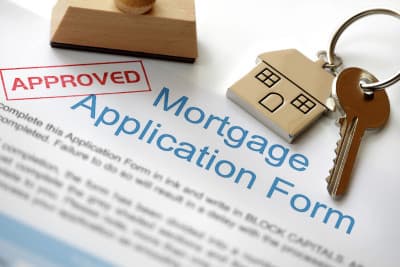
If you've reached the point where you are looking to purchase a home, you are no doubt asking yourself: How long does a mortgage application take through a broker?
The short answer is usually between two and six weeks. At first, the mortgage application process can feel complicated. And there are lots of new, strange words and terms to try to understand.
There are several stages to the process, with varying time frames for each stage. So, let's look at the different stages, how it works, how to avoid delays and then speed up the process where possible.
Summary
- A mortgage application through a broker typically takes between two and six weeks, depending on document preparation and lender checks.
- Mortgage brokers help streamline the process by comparing deals, liaising with lenders, and ensuring all paperwork is correctly completed.
- Being well-prepared with documents and selecting a reputable broker can significantly speed up mortgage approval.
How do mortgages work?
Almost everyone purchasing a property will need a mortgage. Mortgages are loans that lenders provide for people to buy a home, land or rental property.
Mortgage lenders are typically banks or building societies. After securing the mortgage deal, the borrower gradually repays the loan according to the terms agreed in the mortgage contract.
There are different types of mortgages with various terms and interest rates to consider. It can all seem highly confusing and overwhelming at first.
And unless you have the time and are willing to do extensive research, you could risk making a costly mistake.
Here is where mortgage brokers with all their knowledge, expertise and experience can assist most. They will guide you through the whole application process. They'll explain everything so that you understand what's happening throughout.
Why use a mortgage broker?
Using an experienced mortgage broker can help streamline the mortgage application process. The mortgage broker acts as a middleman between you and prospective lenders. And they have access to a multitude of different deals.
As part of their service, they compare deals from multiple lenders on your behalf. And, with their experience, they know what lenders need and expect. They are there to liaise with lenders for you when needed.
They will help you complete your mortgage application and submit documents correctly. Thus, helping to avoid potential delays.
The whole point of using a mortgage broker is to ensure things go as smoothly and hassle-free as possible. They aim to make the entire process easier and faster than going directly to banks and building societies yourself.
Different stages of the mortgage application through a mortgage broker
The first step is to find a reputable and established mortgage broker. Asking friends, family and work colleagues if they can recommend a broker, is a good starting point.
Do your own research on mortgage broker websites. Also, read reviews before making a list of companies to approach.
Like with most things in life, it's wise to shop around. Have an initial free consultation with several brokers before deciding who you feel most comfortable with.
Initial mortgage advisor consultation
Make an appointment with your selected broker to discuss your personal needs. Initial contact and appointments are easy to request online with minimal personal details.
During your first consultation, the mortgage advisor will need to get more detailed information from you. They need to understand your situation and what you are looking to achieve.
Get your documents ready for the advisor, you should collate your documents from the start to avoid delays. Below is a list of things you're going to need to submit to your mortgage broker and lender.
The more organised you are, the faster your broker can submit your application.
Proof of identity
The best things here are a valid UK passport or driving license. However, if you don't have either, sometimes a birth certificate is acceptable.
Proof of address
Lenders will ask for two recent documents. Such as, utility bills, a council tax bill, a credit card statement or a bank statement. Or, if not used for ID, a UK driving license.
Proof of income
If you're employed, you need your last 3 months' payslips and your most recent P60. Also bank statements showing salary payments into your account.
If you're self-employed, you need 2-3 years of SA302 forms from HMRC. Or your accountant's reference and business accounts for the same period.
Bank statements
These should be from the last 3-6 months for all your accounts. And they need to show in comings, outgoings, along with existing credit card and loan payments.
Proof of deposit
This is usually your bank statements that show your savings. If the deposit is from a property sale, then you'll need evidence of the sale proceeds.
Suppose your deposit is a gift from family. You'll need a signed gift deposit letter confirming that the funds are not a loan.
Details of current debts or commitments
You'll need to supply credit card statements and details of loans, car and other finance agreements you have.
Information about the property
Finally, once you've found a property you like and have made an offer that's accepted. You need to provide the estate agent's details and a memorandum of sale.
Related article
Learn more: Mortgage advisor vs broker: What’s the difference?
Mortgage advisor research
Your mortgage advisor will assess your case before starting their search for the best mortgage deal. They will search through thousands of mortgage deals to find the correct one for you.
When the advisor has found what they consider a suitable choice for you. They will inform you of their suggestions. They will prepare a mortgage illustration for you and go over it with you in detail before going further.
Mortgage agreement in principle (AIP)
This is also known as a decision in principle. It's a document you get before you proceed with your main mortgage application.
The purpose of the AIP is to prove that the lender has agreed to the loan amount you intend to borrow, based on the information supplied to the lender.
The AIP is usually valid for 30-90 days and is useful when making an offer on a property. It mainly helps show you are serious and almost ready to go.
A mortgage broker can secure the AIP within 24 hours or sooner following your initial consultation.
The AIP is not a cast-iron guarantee that you'll get a mortgage from the lender. Be aware that lenders will most likely do a soft credit check.
So, it's best to check this out beforehand to avoid any impact on your credit score. They will also analyse your finances and the valuation of the property you want to purchase.
Full mortgage application
If you are happy with your mortgage advisor's deal and want to proceed. Your broker will submit a full mortgage application along with your documents to the lender.
This usually takes 1-2 days, but sometimes it can take up to a week.
Underwriting and property valuation
This stage typically takes between 1 and 2 weeks but can take up to 3 weeks. The lender will arrange a surveyor to conduct a property valuation.
This is to ensure the property is worth the purchase price, and they consider it a sound investment.
Your mortgage advisor will check with the lender about which survey you will need. There are three main types of property surveys available. A basic valuation which checks the property's value.
A home buyer's survey is a thorough check for major issues. A full structural survey is a detailed check of the entire property. The surveyor submits their report to the mortgage lender's underwriters.
Lenders will also conduct a complete and thorough analysis into your finances and check your documents. Lenders will assess what you can afford by considering various factors.
Including your age, job stability, number of dependents, and any current debt.
Get mortgage advice
We’ll find a mortgage advisor perfectly matched to your needs. Getting started is easy, fast and free.
Find an advisorFormal mortgage offer
When all lenders' checks are complete and the underwriter determines that you and your new property are an acceptable risk. They will report back to your mortgage broker.
The lender will prepare and submit a formal mortgage offer, which is usually valid for around 6 months.
Your mortgage advisor will inform you after checking the offer, then help with the next step. Which is for you to accept the formal mortgage offer.
What factors can cause delays with a mortgage application?
Even with a broker, certain things can slow the mortgage application process.
During busy periods, lenders can experience backlogs. A prime example of which is during the run-up to any changes to stamp duty rules.
An application made before a stamp duty deadline can sometimes add weeks to the process.
Complicated applications for those with irregular income, self-employment and poor credit history can take longer. Often requiring additional checks and extra paperwork.
Traditional lenders are hesitant to approve loans to people with poor credit history. This is mainly because they lack confidence in the applicant’s loan repayment ability.
Issues with certain properties can also present problems. For instance, unusual or non-standard construction types or low valuations.
Failure to prepare the correct documents will cause delays. Every request for missing or replacement documents takes up more time. This scenario should be easy to avoid with the assistance of a mortgage broker.
Get expert advice
Using a reliable mortgage broker can speed up the mortgage application process without a doubt. Brokers have extensive knowledge of current market trends and are therefore able to identify products you're most likely to qualify for.
A mortgage broker will help you save lots of time. Especially when it comes to having to research and find suitable deals yourself.
Your broker will assist with completing the application form and identifying any issues with supplying the necessary documents. All of which helps to streamline the process.
If you choose an efficient broker and are ready with your documents. You'll stand a better chance of a relatively stress-free and swift mortgage application approval.
With a broker, a quick mortgage approval could be possible within a week or two. But being more realistic, you should expect it to take 2-6 weeks from initial contact with your broker to receiving your formal mortgage offer from the lender.
Let Regulated Advice match you with a mortgage advisor for expert advice.
Join our newsletter
By signing up, you consent to receive our emails, news, and blogs. Your data will be stored securely with our Privacy policy and Terms & conditions.
Related articles
What are the current mortgage interest rates in the UK?
What next for mortgage rates and how long should you fix for?
Will mortgage rates go down in 2025?
Explore the topic
Mortgage
Need a financial advisor?

Ann Causer
Content Writer
Ann has worked at RMT Group for nearly 10 years, working in administration, sales, and customer services in addition to writing for Regulated Advice. Ann is highly experienced in working with both Financial Advisors and clients alike. Ann has played a major role in the development of RMT over the years.
Read next

Mortgage
What are the current mortgage interest rates in the UK?

Mortgage
What next for mortgage rates and how long should you fix for?

Mortgage
Will mortgage rates go down in 2025?

Insurance & protection
Do I need life insurance and mortgage protection?

Get professional advice