
General financial advice
How to complete a self assessment tax return
6 mins read
by
Aaron Jibromah
Last updated 17 November, 2025
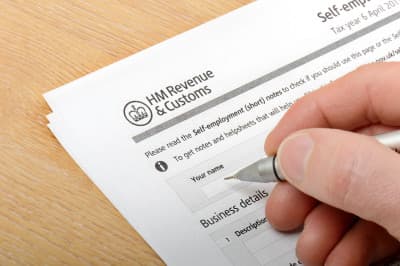
Filing your own taxes can be a daunting task. By breaking it down into steps, you make the task much easier. There are many people in the UK that need to complete a self assessment tax return each year. Landlords, those that are self-employed, and people with other untaxed income will all need to go through the process. Here’s a simple guide to take you through.
What is a self assessment tax return?
Self assessment tax returns allow you to tell HMRC about your income. The majority of employees will not need to do one because their employer deducts tax through PAYE. If you earn funds that aren’t automatically taxed, you’ll likely need to fill one in. This includes sole traders, directors, freelancers, and those earning from rental income.
Who needs to complete a self assessment tax return?
- You’re self-employed earning more than £1,000
- You made gains selling shares or property
- You earned over £2,500 renting out property
- You got income from abroad
- Your income is over £100,000
- You’re a company director
- You had income from savings or dividends over a certain amount
If unsure whether you fall under the above, there’s a free checker on the HMRC website.
Summary
- Self-assessment lets you report untaxed income to HMRC—needed for the self-employed, landlords, and others outside PAYE.
- Most employees are exempt, but sole traders, directors, and those with rental, savings, or overseas income must file.
- You must file if you earned over £1,000 self-employed, £2,500 from property, made capital gains, or earned over £100,000.
Step 1: Register with HMRC
If it’s your first time completing a self-assessment, you’ll need to register first. You can do this online, and HMRC will send you a unique taxpayer reference (UTR) number. It’s important to keep this safe as you’ll need it every year. The registration deadlines are 5 October after end of the tax year for self-employment. So, for the 2024-25 tax year, register by 5 October 2025.
Avoid leaving things until the last minute, getting your UTR can take a few weeks.
Step 2: Gather your documents
Before you begin filing your return, ensure you have the following:
- Records of income (payslips, invoices, statements)
- UTR and national insurance number
- Records of business expenses (if self-employed)
- P60/P45 if employed
- Interest from bank accounts
- Details of pension contributions
- Dividend statements
- Rental income/expenses
- Foreign income
If self-employed, it can be useful to keep your records up to date over the course of the year.
Step 3: Log in and start your self assessment tax return
You can file your return online via the HMRC website. Start by logging in using your government gateway ID, you then select the tax year you’re filing for.
The system asks questions to tailor the questions to your situation. This simplifies things, as it ensures you only see sections applicable to you.
Related article
Learn more: Tax planning opportunities for individuals
Step 4: Fill in your income
Ensure you enter your income in the correct boxes, be as accurate as possible. If self-employed, you’ll report your total income, allowable business expenses, and profit for the year. If you’ve got rental income, declare how much you made and list your expenses too.
Make sure things like pensions, savings interest, and dividends are input in the correct places too. You must also report any government grants you received.
Step 5: Claim any allowances or reliefs
You may be able to reduce your tax bill by claiming reliefs such as:
- Business expenses
- Pension contributions
- Charitable donations
- Work-from-home costs
Check what you can claim and keep records as proof.
Step 6: Check everything
Before you click that submit button, make sure you go over your return thoroughly. Ensure you enter figures correctly and include everything, as mistakes will cause delays.
The system shows how much tax you owe and whether HMRC owes you a refund.
Step 7: Submit and Pay
Once you’re crosschecked, submit the return. Once HMRC receives your return, they will confirm it with you.
If you owe tax, you must pay it by 31 January following the end of the tax year. For example, for the 2024-25 tax year, this will be 31 January 2026.
You may also need to make advance payments towards next year’s tax; HMRC calls these “payments on account.”
Get expert advice
We’ll find a financial advisor perfectly matched to your needs. Getting started is easy, fast and free.
Find an advisorWhat happens if you’re late?
If you miss the 31 January deadline, HMRC will fine you £100. Delaying further could trigger bigger penalties and add extra interest to the amount you owe.
File your return on time, even if your payment will be late. Then speak to HMRC who may allow you to set up a payment plan.
Top Tips for your self assessment tax return
- Keep good financial records over the course of the year
- Ensure the use of accounting software or a spreadsheet
- Set reminders for deadlines
- Don’t leave things to the last minute
- Ask for help where needed
Get expert advice
Filing your self assessment tax return may feel daunting. With the right preparation, you can complete it with ease. Start early, remain organised, and take things one step at a time. If unsure, HMRC’s guidance is a good place to start. You may want to hire a qualified accountant for peace of mind.
Let Regulated Advice match you with a financial advisor for expert advice.
Join our newsletter
By signing up, you consent to receive our emails, news, and blogs. Your data will be stored securely with our Privacy policy and Terms & conditions.
Related articles
Does HMRC have new powers to raid people's bank accounts?
Budget summary 2025
Tax brackets and rates for 2025-2026
Explore the topic
General financial advice
Need a financial advisor?

Aaron Jibromah
Content Writer
Aaron is a trainee financial advisor and content writer for Regulated Advice. Aaron brings hands-on experience across financial services, having previously delivered FCA-compliant pension advice and worked directly with clients to clarify their options. He combines this practical background with an entrepreneurial track record, having founded and run his own business, and a solid grounding in risk management and financial analysis from his time as a trader.
Read next
General financial advice
Does HMRC have new powers to raid people's bank accounts?

General financial advice
Budget summary 2025
General financial advice
Tax brackets and rates for 2025-2026

General financial advice
What Is the personal savings allowance and how does it work?

Get professional advice